Personalised Conversational AI and Digital Advisor to Improve Cosmo-wellness E-commerce Platform
Project Overview
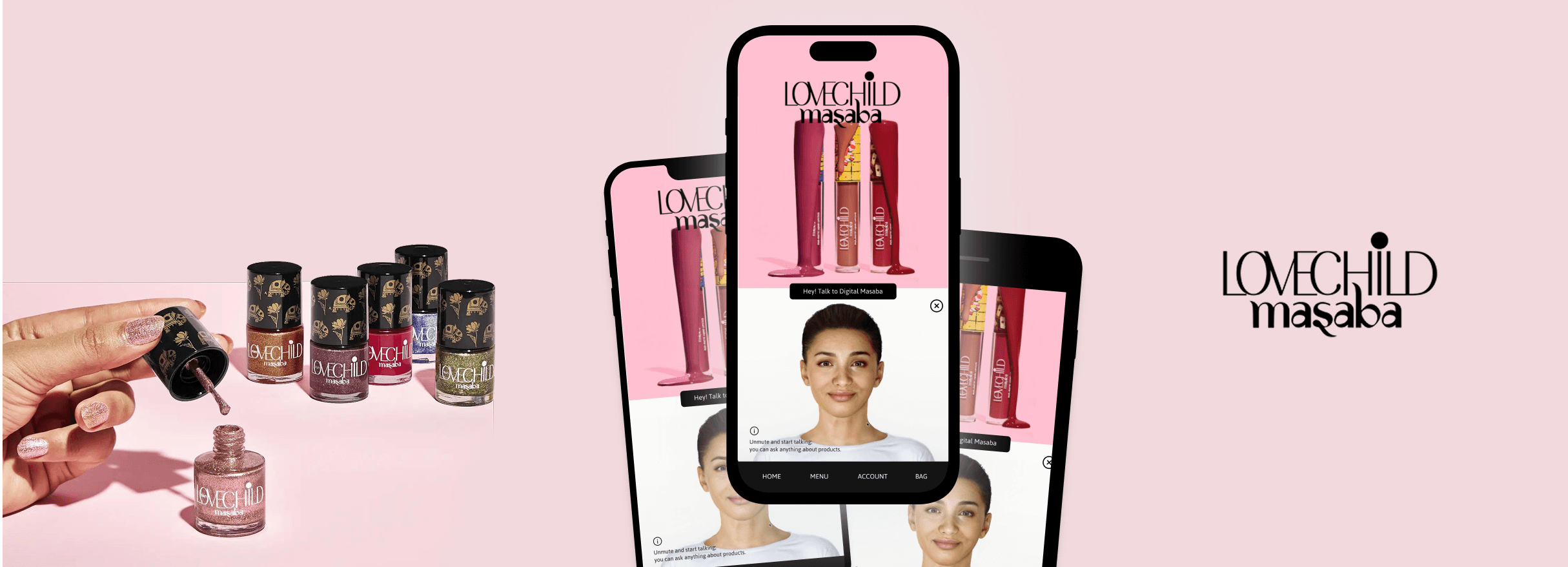
Even after a year of launching the brand, users often feel unsure when choosing skincare products online. This project introduces a conversational AI that provides calm, human guidance and helping users move from hesitation to confident decisions through simple, advisor-like interactions.
Even after a year of launching the brand, users often feel unsure when choosing skincare products online. This project introduces a conversational AI that provides calm, human guidance and helping users move from hesitation to confident decisions through simple, advisor-like interactions.
Responsibilities
Role: Lead UX Designer
Scope: Stakeholder Mapping, User Research, Design Thinking, Interaction & UI design, Prototyping
Team: Cross-functional with Client's Product Team
Outcome:
Web—E-Commerce
Situation — Low Engagement from Launch
Situation — Low Engagement from Launch
Problem
After launch platform low user engagement. Gen Z users were curious but unsure where to start, felt overwhelmed by product choices and didn’t have time for detailed routines, this confusion led to low interaction and weak customer retention.
Problem
After launch platform low user engagement. Gen Z users were curious but unsure where to start, felt overwhelmed by product choices and didn’t have time for detailed routines, this confusion led to low interaction and weak customer retention.
Task
Task
My responsibility was to improve engagement by reducing user confusion and building confidence in decision-making. The goal was to create an experience that felt supportive and human, while also helping users move smoothly towards product discovery and purchase.
My responsibility was to improve engagement by reducing user confusion and building confidence in decision-making. The goal was to create an experience that felt supportive and human, while also helping users move smoothly towards product discovery and purchase.
Action
Action
I began with a design thinking approach to understand the problem deeply before proposing solutions.
I conducted user research in physical retail stores, observing how customers interacted with beauty advisors. I noted the kinds of questions they asked, the pauses before decisions, and how much reassurance they needed. These real conversations revealed that users were not asking for detailed explanations, but for simple guidance and validation.
To align the team around this insight, I facilitated design thinking workshops with business, retail, and marketing stakeholders. This helped shift the focus from adding more content to supporting user confidence.
I then ran role-play sessions where team members acted as first-time buyers and advisors. These sessions helped us shape a conversational tone that felt calm, friendly, and non-judgmental. The role plays directly influenced how questions were framed and how responses were structured.
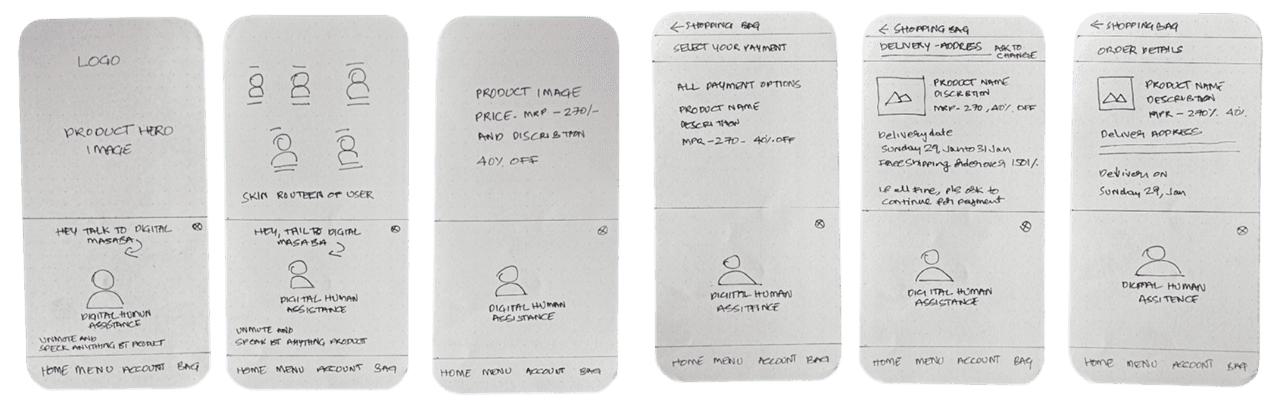
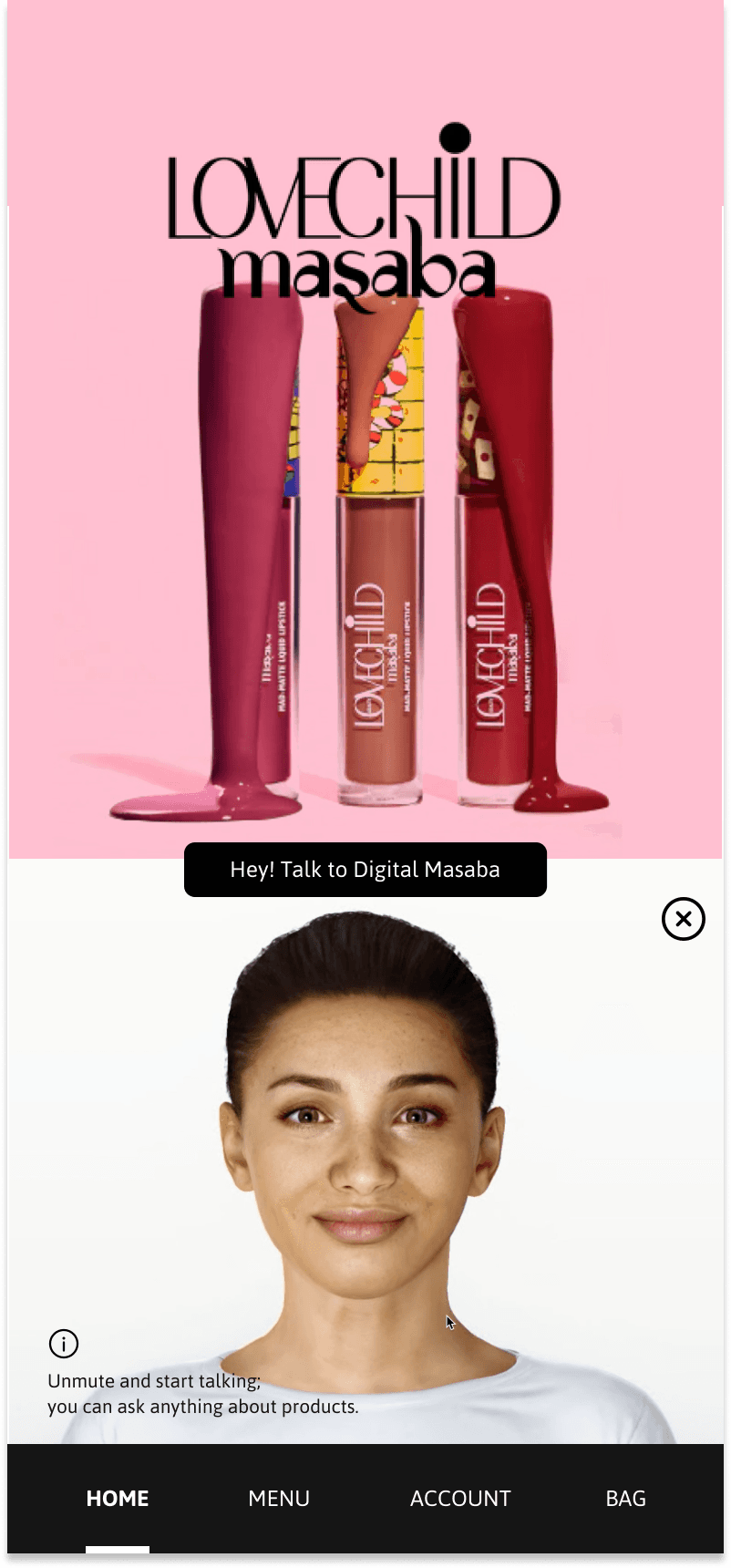
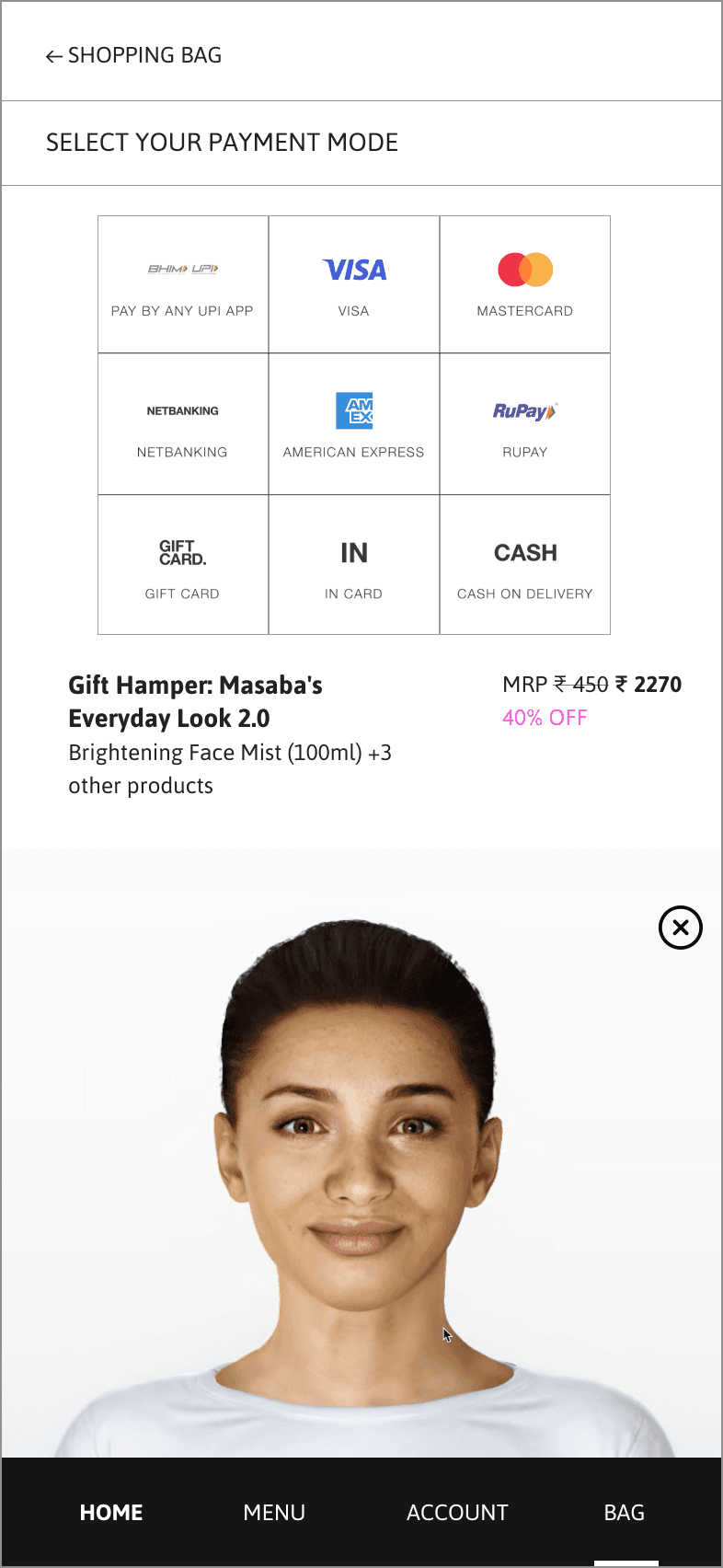
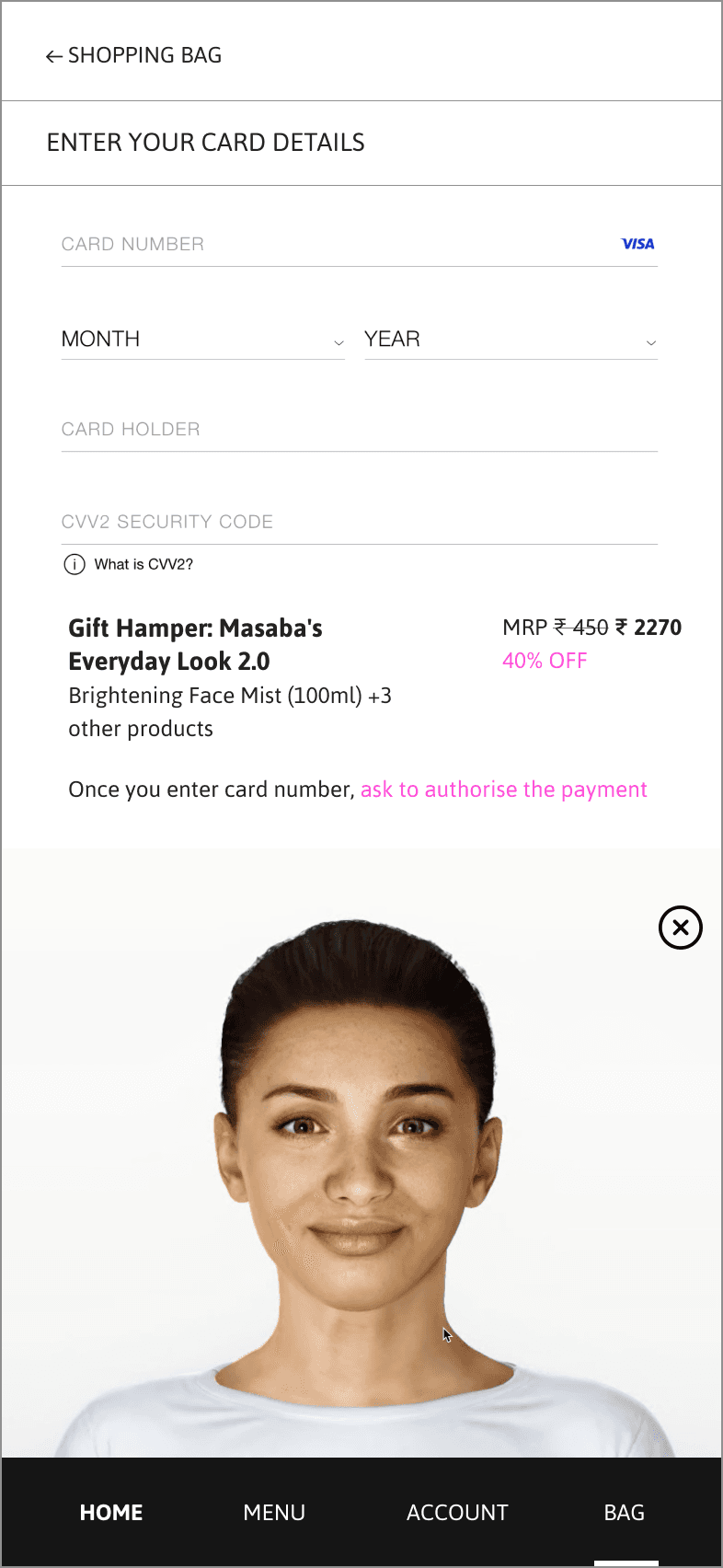
Based on these insights, I designed conversational flows, intent logic, and tone guidelines for a digital advisor. The experience supported both text and voice, allowing users to interact naturally. I prototyped and tested the solution across two design sprints with over 100 users, continuously refining the flow to remove friction and improve clarity.
I began with a design thinking approach to understand the problem deeply before proposing solutions.
I conducted user research in physical retail stores, observing how customers interacted with beauty advisors. I noted the kinds of questions they asked, the pauses before decisions, and how much reassurance they needed. These real conversations revealed that users were not asking for detailed explanations, but for simple guidance and validation.
To align the team around this insight, I facilitated design thinking workshops with business, retail, and marketing stakeholders. This helped shift the focus from adding more content to supporting user confidence.
I then ran role-play sessions where team members acted as first-time buyers and advisors. These sessions helped us shape a conversational tone that felt calm, friendly, and non-judgmental. The role plays directly influenced how questions were framed and how responses were structured.
Based on these insights, I designed conversational flows, intent logic, and tone guidelines for a digital advisor. The experience supported both text and voice, allowing users to interact naturally. I prototyped and tested the solution across two design sprints with over 100 users, continuously refining the flow to remove friction and improve clarity.
Research
Research
I interviewed users across cities, surveyed 500+ customers, and observed in-store buying behaviour. The research focused on understanding confusion around skincare choices, trust signals during purchase, and emotional blockers such as hesitation and fear.
I interviewed users across cities, surveyed 500+ customers, and observed in-store buying behaviour. The research focused on understanding confusion around skincare choices, trust signals during purchase, and emotional blockers such as hesitation and fear.
Pain Points From Research Data
Pain Points From Research Data
Desire for fast, visible results without a time-intensive routine
Users want noticeable improvements quickly, without following long or complicated routines.
Need for guidance and reassurance
They look for clear advice and confirmation that they are choosing the right products.
Difficulty selecting the right skincare
Too many options make it hard to know what truly suits their skin type.
Concern about wasting money
Users worry about spending on products that might not work or show results.
Want quick results without a long skincare routine
Don’t know where to start with skincare
Need reassurance before choosing a product
Need reassurance before choosing a product
Feel overwhelmed by too many options
Feel overwhelmed by too many options
Prefer simple steps that fit into daily life
Worry about wasting money on the wrong product
Collaborative Design Thinking Workshop with Stakeholders and Users
Collaborative Design Thinking Workshop with Stakeholders and Users
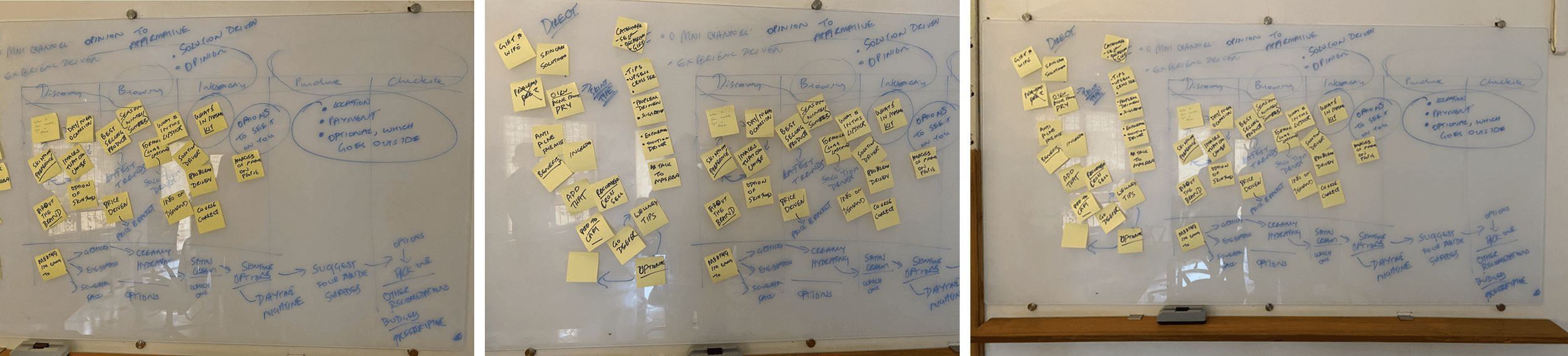
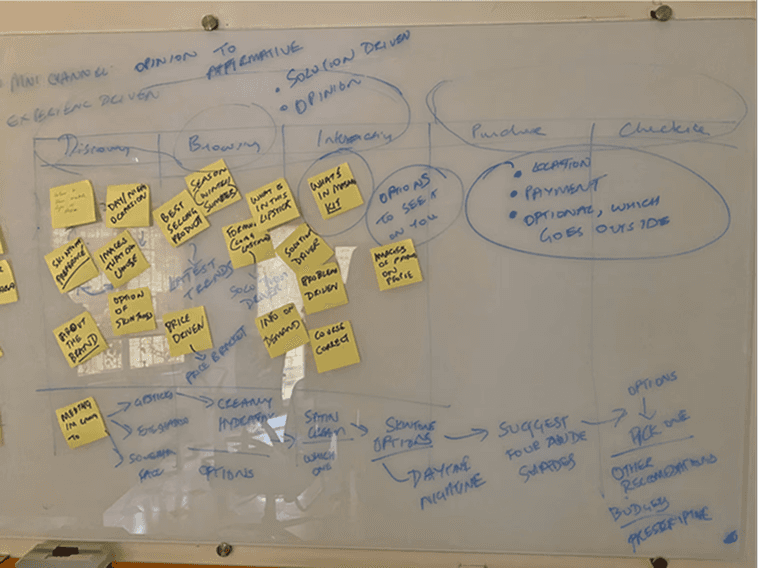
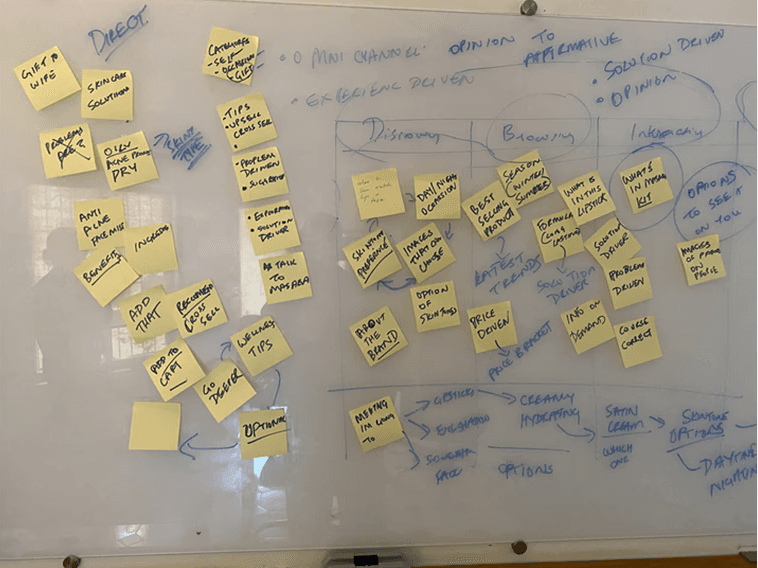
A design thinking workshop with stakeholders and end users helped uncover shared challenges, user behaviours, and business expectations. The insights created alignment and guided the solution direction.
A design thinking workshop with stakeholders and end users helped uncover shared challenges, user behaviours, and business expectations. The insights created alignment and guided the solution direction.
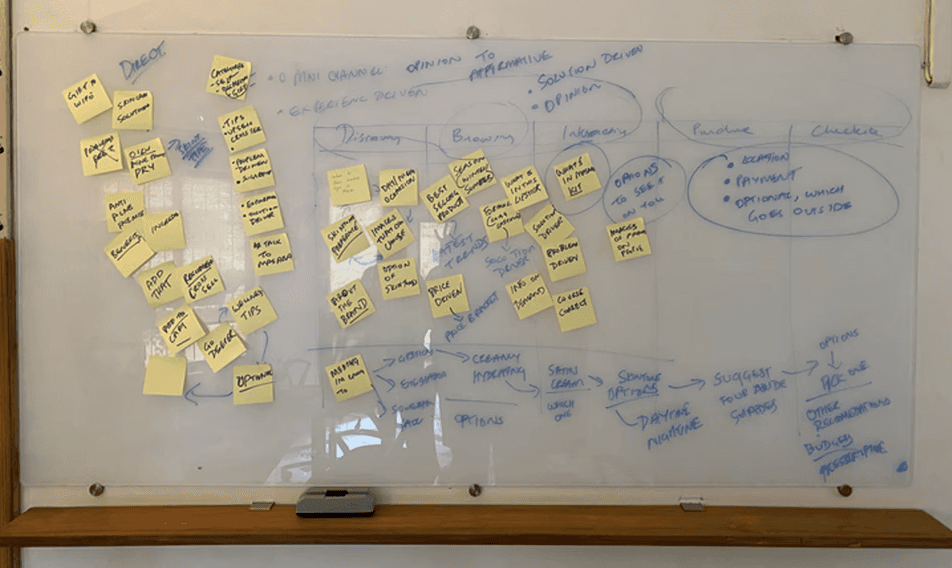
Role-Play Scenario: Mapping Real-Life Challenges and Purchase Journey
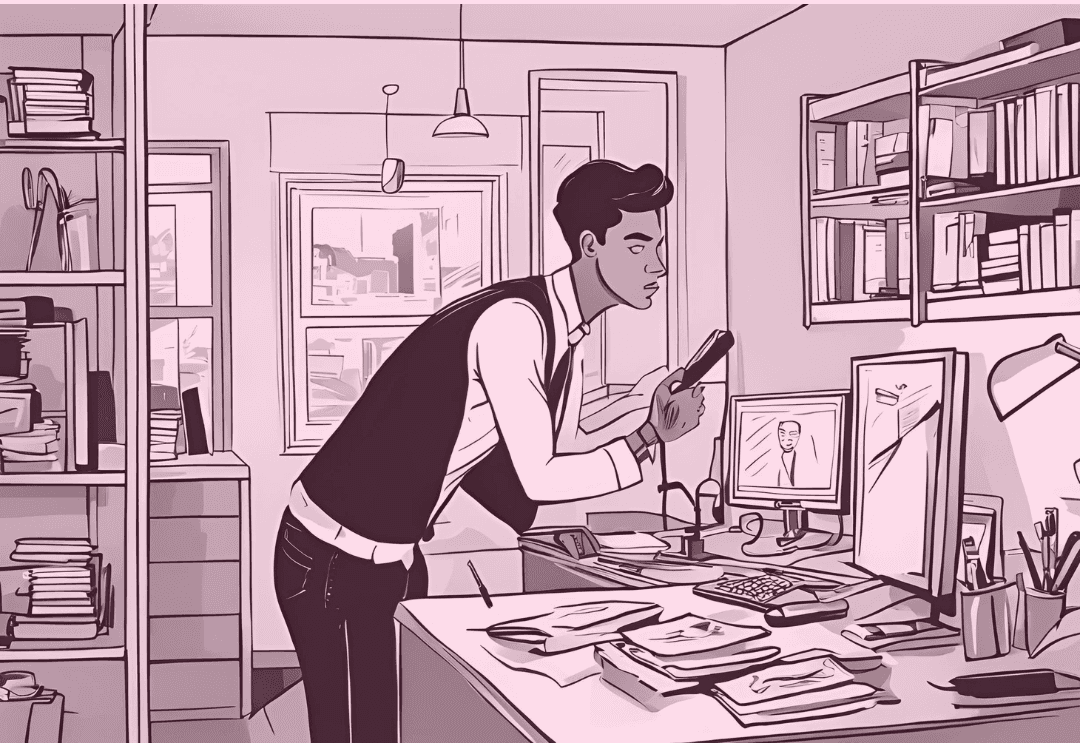
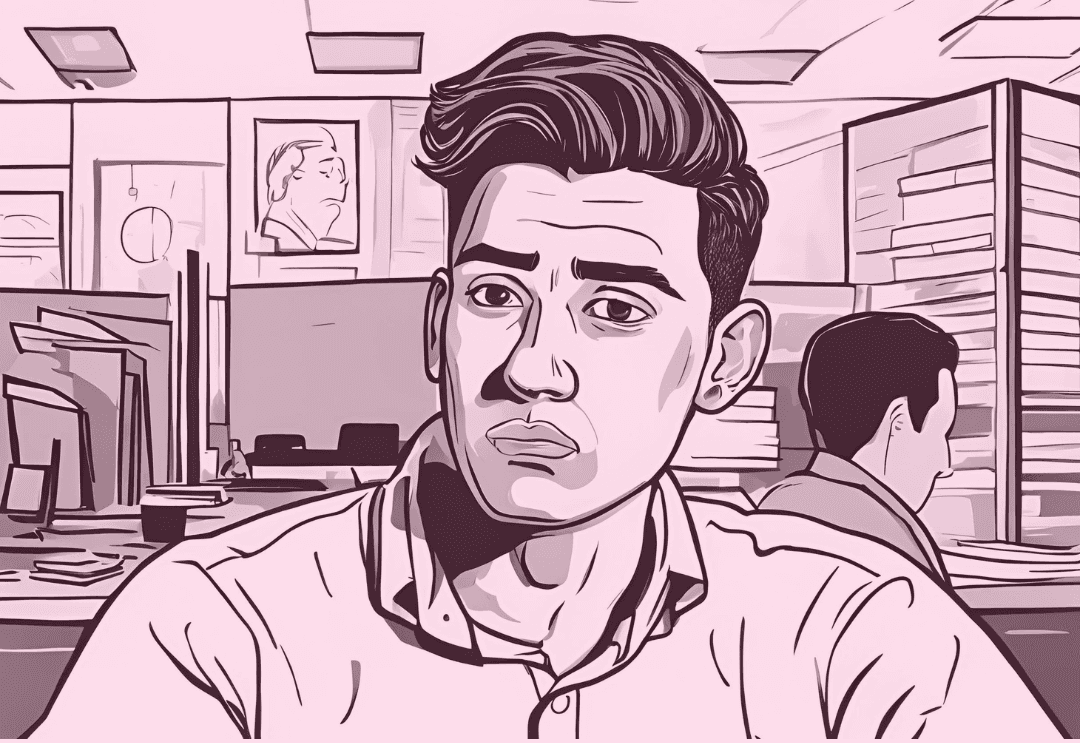
While getting ready to office he is thinking.. will buy today for sure!
Since he was busy at office, unable to purchase the gift, adding to his stress and frustration.
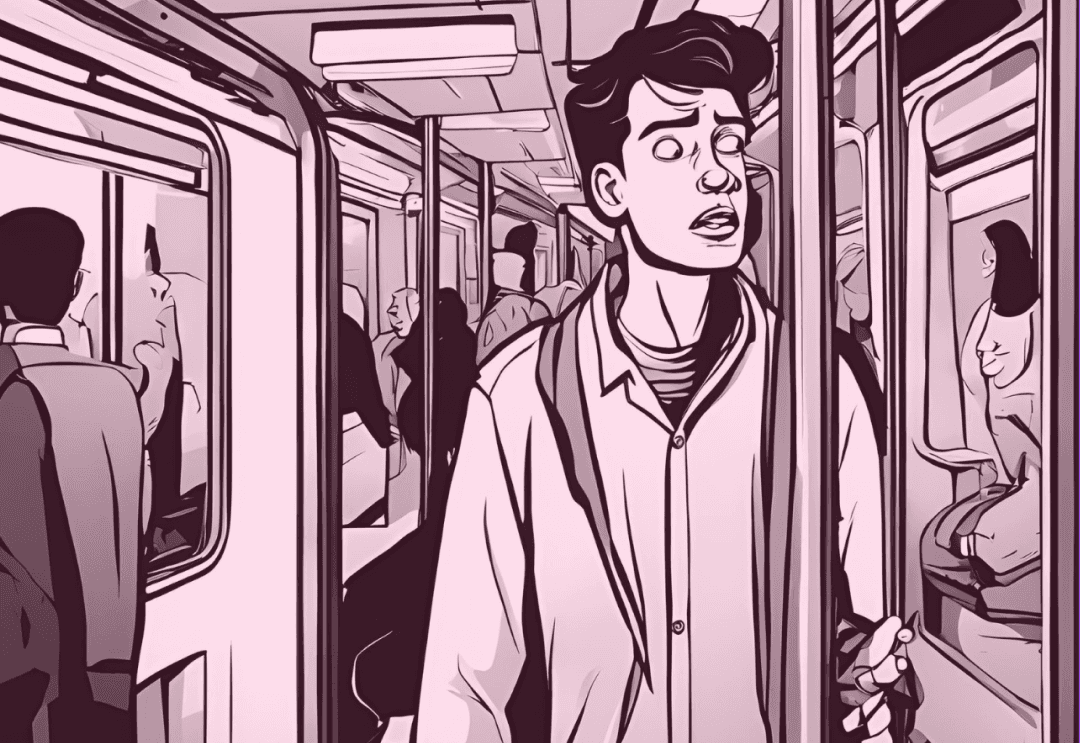
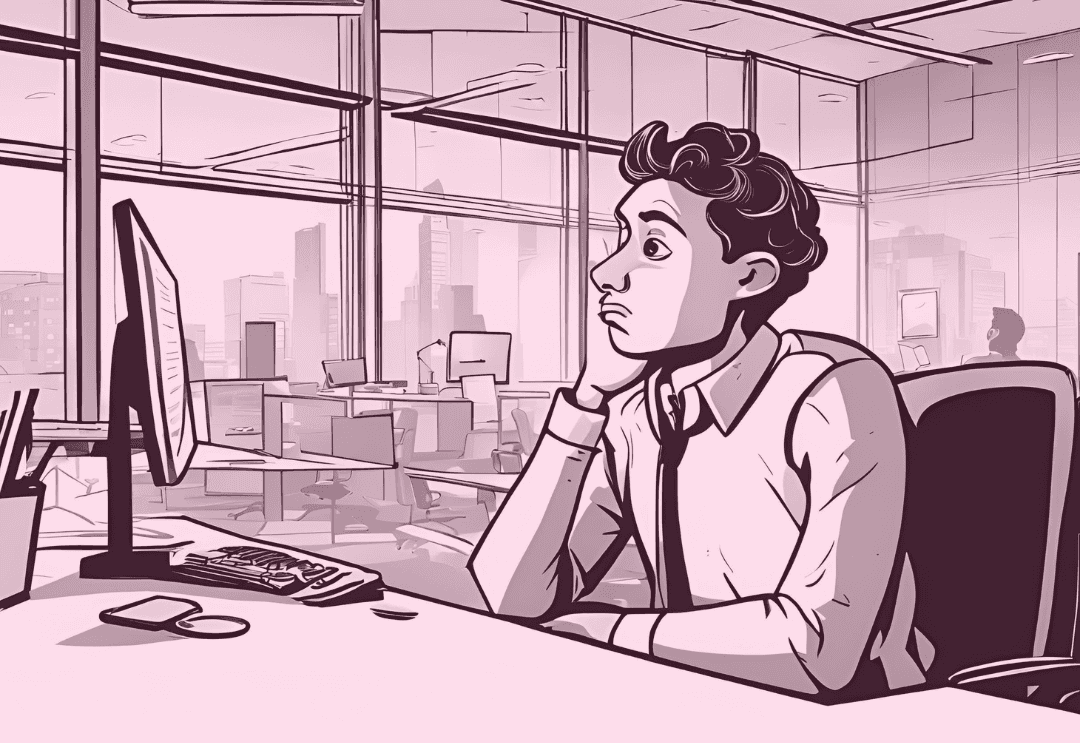
Next day also quite busy at office. seems like he couldn’t buy today also.
Three days was gone and today also busy, what to do?
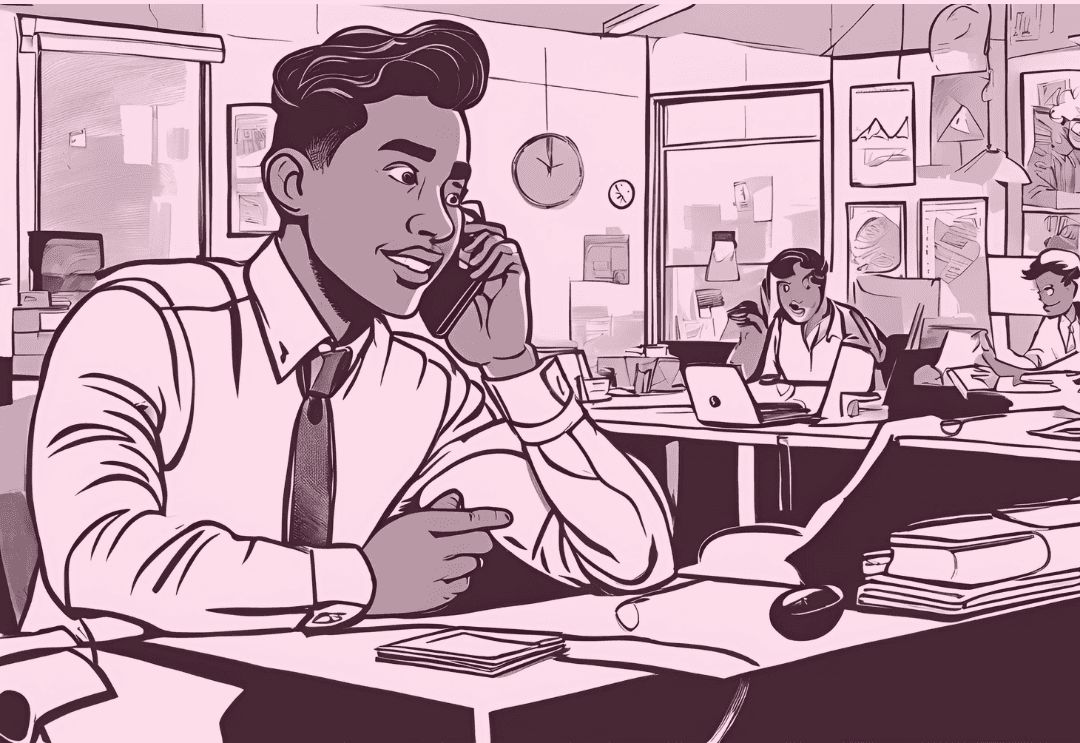
Now, with the evening fast approaching, he has no surprise gift for her and feels disappointed.
While getting ready to office he is thinking.. will buy today for sure!
Since he was busy at office, unable to purchase the gift, adding to his stress and frustration.
Next day also quite busy at office. seems like he couldn’t buy today also.
Three days was gone and today also busy, what to do?
Now, with the evening fast approaching, he has no surprise gift for her and feels disappointed.
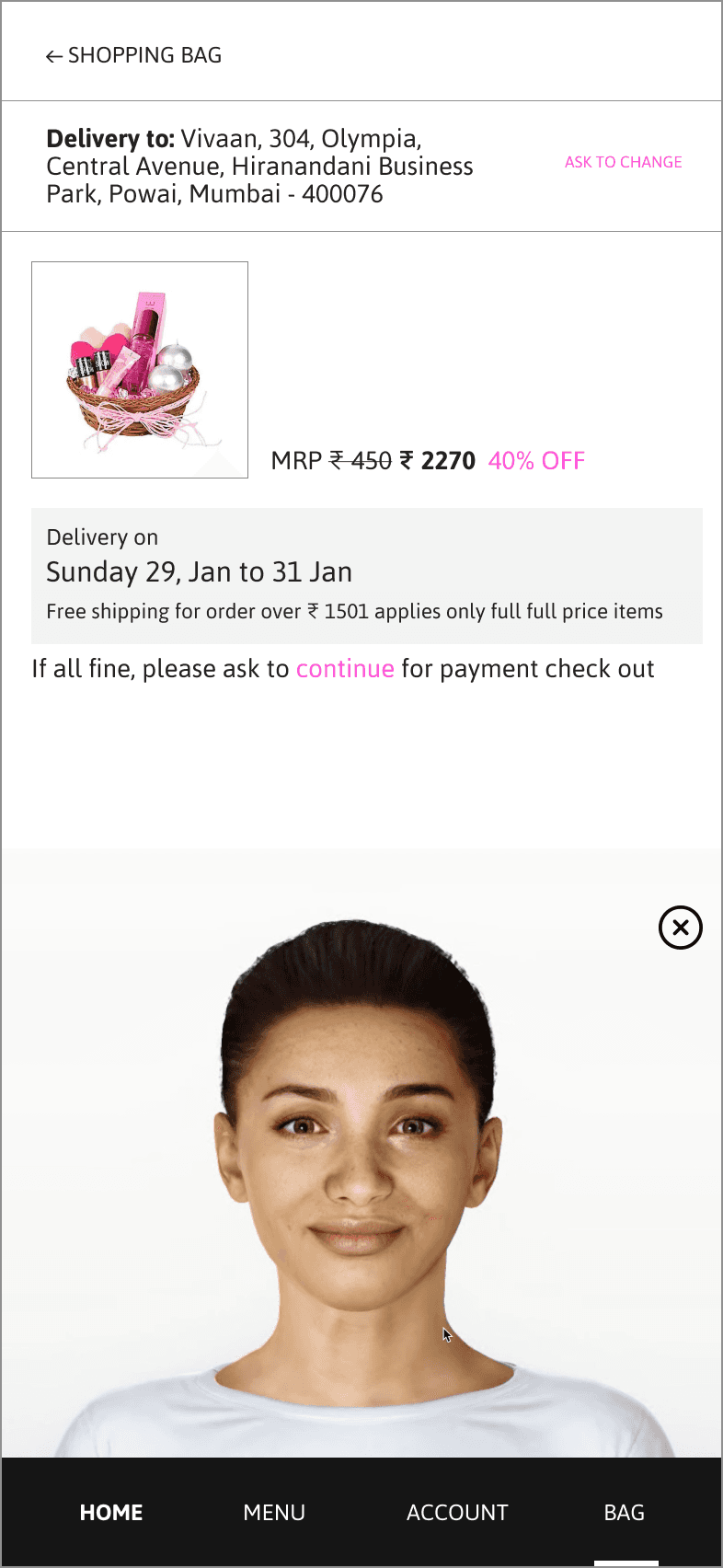
During the design thinking workshop, we created a role-play scenario around Vivaan’s busy day to understand real purchase barriers. The story revealed how time pressure, stress, and delayed decisions affect buying behaviour, helping the team empathise and identify clearer opportunities.
Role-Play Scenario: Mapping Real-Life Challenges and Purchase Journey
While getting ready to office he is thinking.. will buy today for sure!
Since he was busy at office, unable to purchase the gift, adding to his stress and frustration.
Next day also quite busy at office. seems like he couldn’t buy today also.
Three days was gone and today also busy, what to do?
Now, with the evening fast approaching, he has no surprise gift for her and feels disappointed.
Framework for Opportunities Prioritisation
Based on research insights and design thinking workshops, opportunities were grouped into four core themes to balance user needs, confidence building, and business impact.
Guided Personalisation
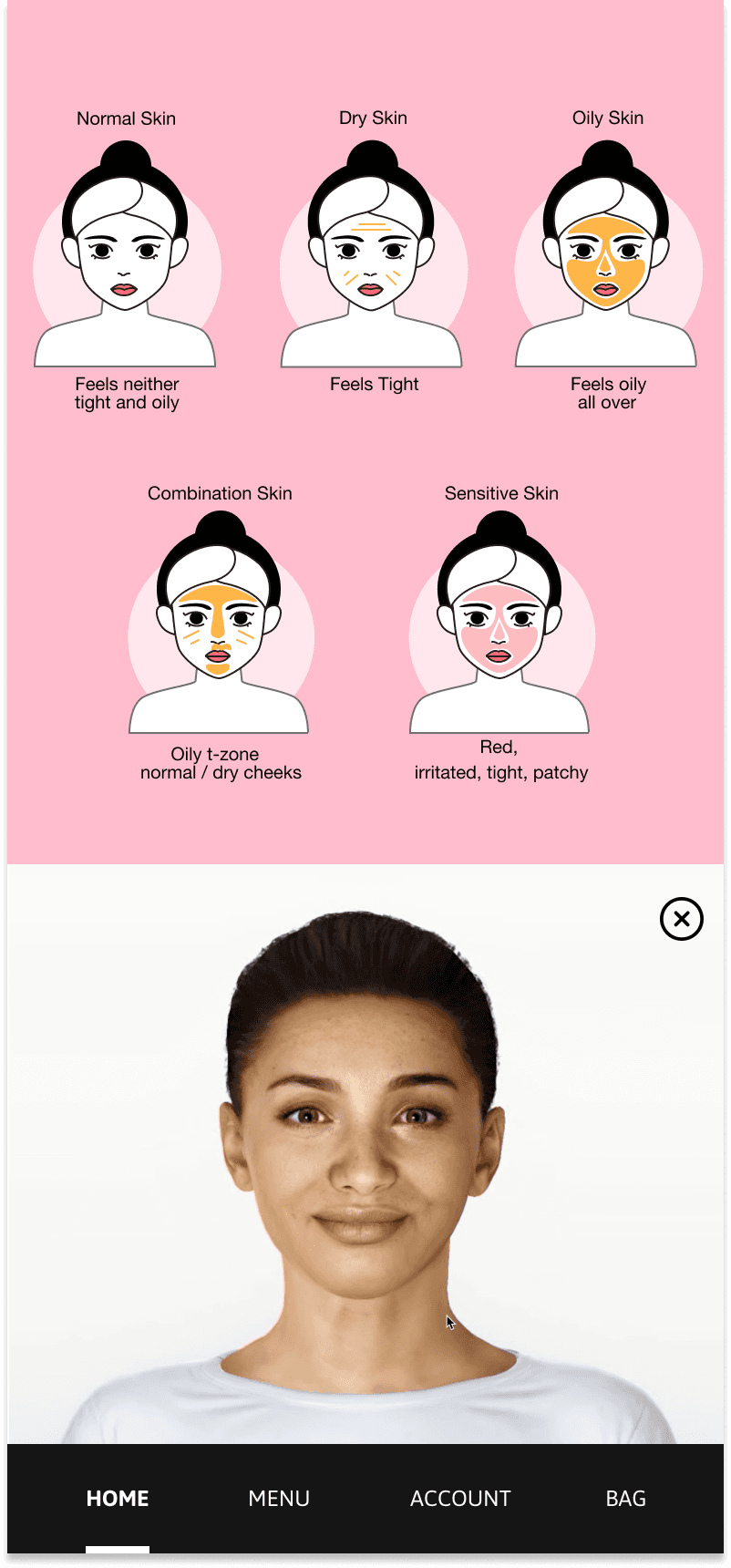
Opportunity: Personalised skincare guidance based on skin type, lifestyle, and concerns.
Rationale: Users felt unsure where to start and needed clear direction without long routines.
Human like Digital Advisor
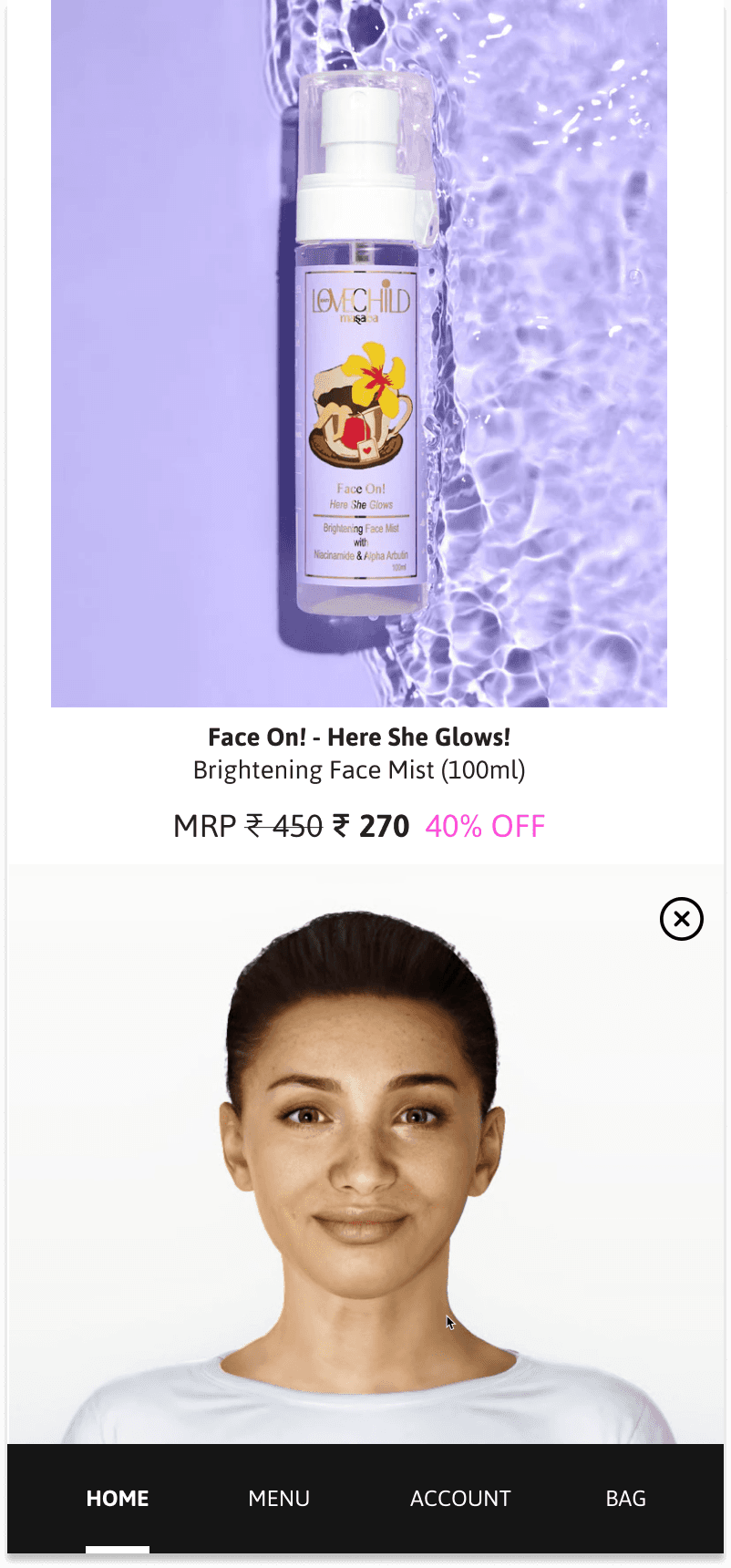
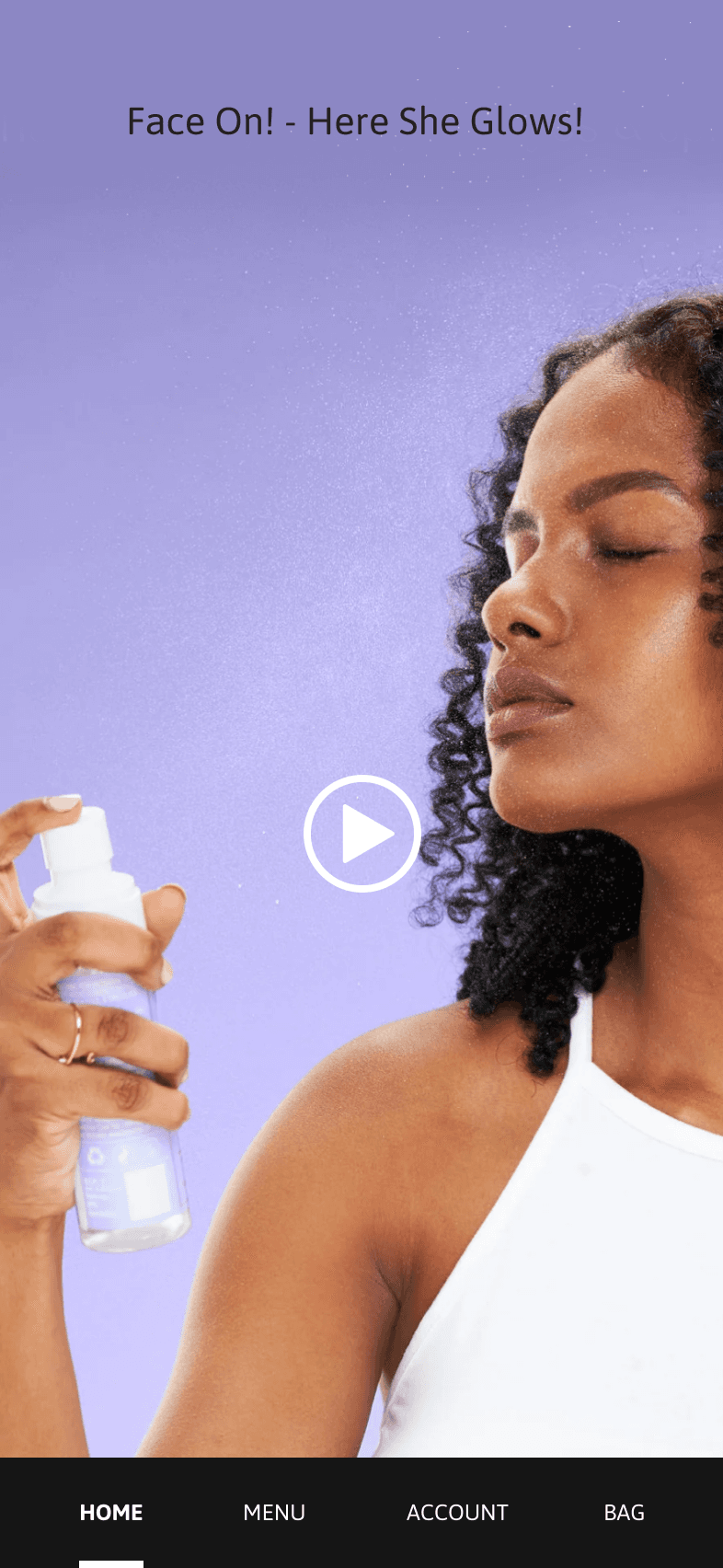
Opportunity: A conversational advisor using voice, text, and visual cues to guide users.
Rationale: Users looked for reassurance and trust similar to in-store beauty consultants.
Confidence Through Reassurance
Opportunity: Short, guided interactions that help users validate choices and ask quick questions.
Rationale: Hesitation and fear of choosing the wrong product often blocked purchase decisions.
Contextual, Timely Support
Opportunity: Behaviour- and context-aware suggestions and reminders across the journey.
Rationale: Users preferred simple, timely help that fit naturally into daily life without feeling pushy.
Conceptualisation
Final Design

Result, Two Sprints, 100+ Users, and a 3x Lift in Engagement
The conversational AI significantly improved user engagement and confidence. Average time spent on the platform increased from 2.2 minutes to 6.5 minutes, and 73% of users interacted with the digital assistant. Users reported feeling more supported in their choices, and the brand experience shifted from transactional to advisory, contributing to stronger engagement and business outcomes.
Result, Two Sprints, 100+ Users, and a 3x Lift in Engagement
The conversational AI significantly improved user engagement and confidence. Average time spent on the platform increased from 2.2 minutes to 6.5 minutes, and 73% of users interacted with the digital assistant. Users reported feeling more supported in their choices, and the brand experience shifted from transactional to advisory, contributing to stronger engagement and business outcomes.
Learning
Learning
Working on this project taught me how multimodal interaction can transform user engagement. I learned to design for voice, text, and visual cues together, creating smoother, more natural experiences across devices.